4×2, 6×2, 6×4: which tractor unit to choose for your work
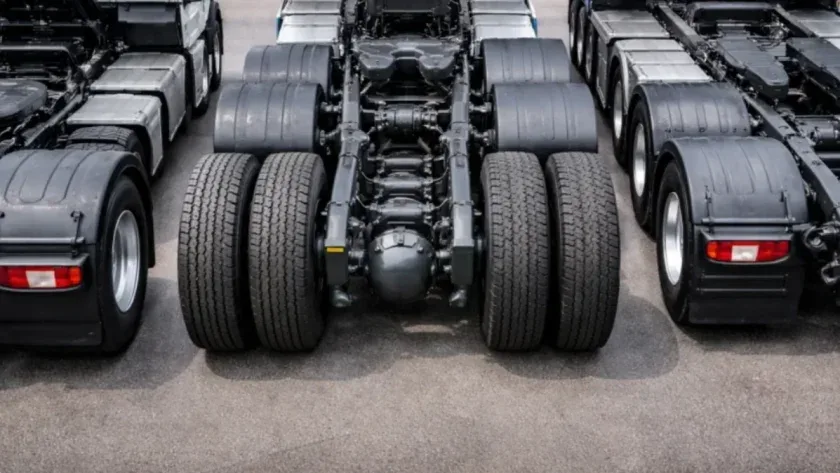
A wheel configuration (axle formula) is a basic truck characteristic that shows the number of axles and driven wheels. This parameter directly affects fuel consumption, permissible load (the combination's gross weight), the type of work, and fuel consumption. Choosing the wrong configuration for your task inevitably limits your operations and adds extra costs. That's why understanding the difference between wheel configurations and which one is best for you is the key to buying an efficient tractor unit.
Top 3 wheel configurations for tractor units
The tractor unit market offers a fairly wide range of wheel configurations: 4x2, 4x4, 6x2, 6x4, 6x6, 8x4, 8x8. In practice, however, the most common are tractor units with 4×2, 6×2 and 6×4 configurations.
4×2
This is a two-axle tractor unit with one driven axle. This configuration is most often used for long-haul and international transport, where the main focus is on fuel economy, simpler operation, and good highway performance. Approximate load: front axle — about 7–8 t, drive axle — about 11.5–13 t depending on the model.
Pros:
- lower fuel consumption
- lower curb weight
- cheaper maintenance
Cons:
- smaller traction reserve
- weaker off-road capability
6×2
This is a three-axle tractor unit where one axle is driven and another is a support or lift axle. This configuration is considered universal: it distributes weight better, gives a greater load reserve, and at the same time is not as costly as a 6×4. Approximate figures: front axle — 7–8 t, drive axle — 11–13 t, support axle — about 9–10 t.
Pros:
- better load distribution
- more flexibility in operation
Cons:
- more complex construction
- more expensive maintenance than a 4×2
- inferior traction compared to a 6×4
6×4
This is also a three-axle tractor unit, but with two driven axles. This configuration is needed where there are heavy loads, poor roads, loose surfaces, or work in construction, agriculture, or on difficult internal routes. By load: front axle — 7–8 t, two drive axles — approximately 11–13 t each.
Pros:
- better traction and off-road capability
- more stable performance under load
- suitable for difficult conditions
Cons:
- higher fuel consumption
- higher curb weight
- more expensive maintenance
Where to look
On the secondary market, 4×2 has the widest selection. tirkomis offers such tractor units with a verified service history ranging from $3,500 for a 1997 Volvo to $48,500 for a 2019 Volvo. There are fewer offers on the secondary market for other configurations: a 6×2 usually starts at around $10,000–11,000, while a 6×4 often starts at around $25,000–30,000, depending on the year and condition of the vehicle.
To simplify the search for the configuration you need, we suggest leaving an online request with tirkomis. Our manager will help you choose equipment by budget, year, mileage, and type of work. If we don't find the right unit at our commission yard, we'll look for it across Ukraine or arrange an import from Europe.
Related articles

Semi-trailer bag: what to do with it after purchase
How to use or convert a semi-trailer bag. Inspection, documents and prices. TIRkomis - free parking and advertising for sale.

How to choose a container chassis: 20, 40, 45
How to choose a container chassis for 20, 40, and 45-foot containers? We'll break down frame types, container locks, axle loads, compatibility with the tractor unit, and how to inspect a used chassis before buying.

Truck unit diagnostics before purchase: which faults are critical
We explain how to read a ttruckunit computer diagnostic report, which engine, transmission, EBS, AdBlue and DPF faults are critical, and when a malfunction is grounds for justified negotiation.