Buying heavy trucks: which documents to check
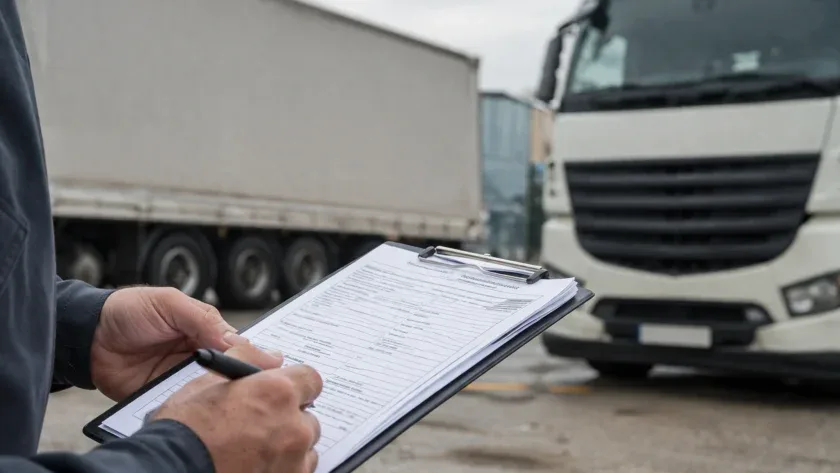
The decisive part of buying heavy trucking equipment isn't choosing the unit or negotiating the price. The risks are usually tied to the documents and the legal cleanliness of the deal. Even a technically sound tractor or semi-trailer can bring plenty of trouble to its future owner if it carries a lien, has incorrect paperwork, or has an unresolved status in Ukraine.
The purchase-sale process for heavy trucks
The purchasing procedure for heavy trucks in Ukraine depends on whether the vehicle is already in Ukraine or was imported from Europe. This applies to both tractors and semi-trailers, since both types of equipment are registered as separate vehicles.
- Selecting the equipment — choosing a tractor or semi-trailer based on specs, budget, and type of work.
- Checking the technical condition — inspection, diagnostics, testing of components.
- Legal verification — reviewing documents, checking the owner, confirming there are no liens.
- Signing the purchase-sale agreement — fixing the terms of the deal.
- Payment and handover of the equipment.
- Re-registration at an MVS service center — registering the new owner.
If the equipment was brought in from abroad, a customs clearance stage is added. It includes submitting a customs declaration, paying duties, and confirming that the equipment complies with Ukrainian requirements, which are governed by the customs code of Ukraine. A lien check is also mandatory — verifying the equipment isn't pledged, financed, or under arrest. This is done through the State Register of Encumbrances on Movable Property.
Documents worth checking
First, the registration document (technical passport) is checked. It contains the core vehicle information: VIN code, year of manufacture, type, mass, and emissions standard. It's important that the VIN in the documents fully matches the marking on the frame with no signs of tampering.
The second important element is the document confirming ownership. The seller must be either the direct owner or acting under a notarized power of attorney. Otherwise, there is a risk the deal could be challenged.
For equipment brought in from abroad, the customs documents must be checked. This is especially critical for semi-trailers, since incomplete paperwork or errors in documentation most often occur with them. Required documents include the customs declaration and proof of payment of all duties. For imported equipment, a certificate of conformity confirming that the vehicle meets Ukrainian standards may also be needed.
Special attention should be paid to the vehicle type listed in the documents. For semi-trailers this is critical: curtainsider, dump, refrigerator, or container type must be correctly specified, since it affects operation and the legal status of the equipment. This is why it helps to understand the types of semi-trailers and what to know before choosing one. Specialized equipment may require additional markings or permits, for example for transporting dangerous goods (ADR).
Another mandatory step is checking for liens. The vehicle must not be pledged, financed, or under arrest. An additional, but important factor is the service history, which allows you to assess the real condition of the equipment and how it was used.
The value of an intermediary in the deal
In practice, the biggest risks arise exactly at this stage — verifying the documents and executing the deal correctly. Mistakes or missed details usually lead to financial losses, registration delays, or legal disputes. That's why the purchase-sale process increasingly involves a professional intermediary. In that case, document verification, legal support, contract preparation, and deal oversight are handled properly.
tirkomis takes on the full support of buying and selling heavy trucking equipment — both tractors and semi-trailers — including document verification, technical inspection, contract preparation, and legal support. This minimizes risks and makes the purchasing process as transparent and secure as possible. Our catalog holds hundreds of inspected units.
Related articles

Commercial trucks with VAT: who is looking for such listings
Listings for commercial trucks with VAT are sought by hauling companies, agricultural enterprises, construction firms, manufacturers, logistics companies, individual entrepreneurs and all buyers for whom it is important not just to buy a tractor unit or truck, but to properly formalize the deal

Customs clearance for a truck in 2026: documents and timelines
A step-by-step document checklist, current rates, and how long clearance at the border really takes.
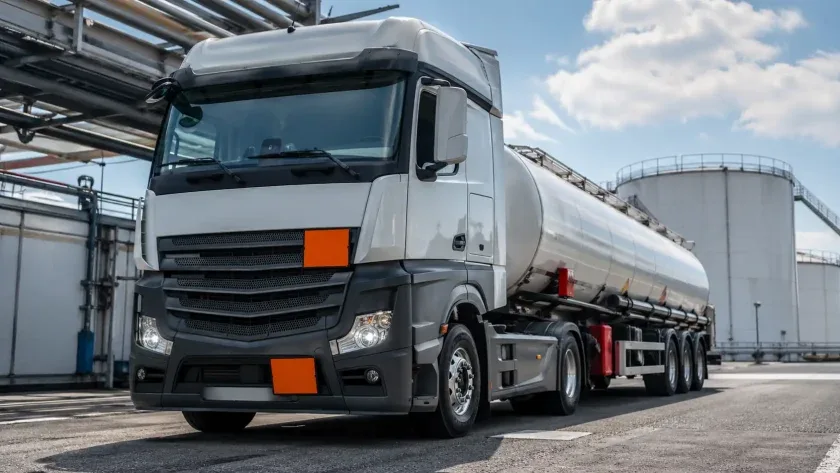
ADR tractor unit: documents, equipment and secondary-market prices
What an ADR tractor unit must have for hauling dangerous goods, and how much such trucks cost on the secondary market.