Selling "to Africa": how to profitably sell old truck equipment
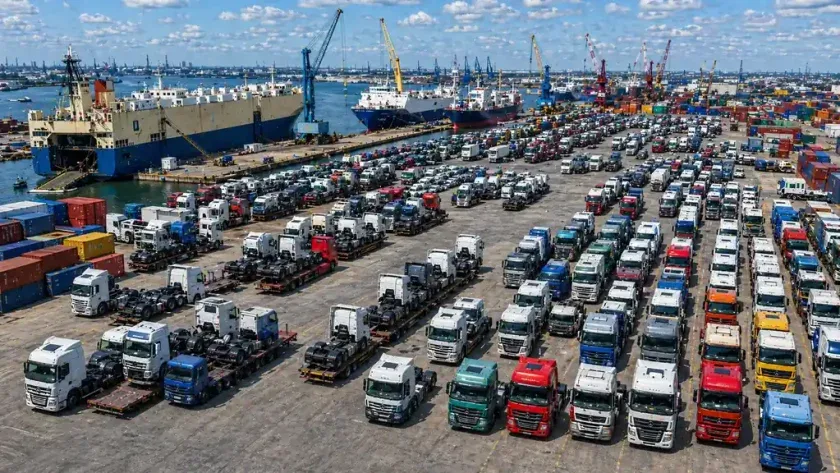
Selling equipment "to Africa" – to countries in Africa and the Middle East, is a practical solution for owners of old trucks and trailers. As long as there is still demand in this direction for older equipment, you can sell what in Ukraine would go through haggling with big losses for the seller, or simply "rot in the yard". An extra advantage is that with this sales format the owner gets a "clean price" that isn't subject to tax. So what do the "Africans" buy, and how quickly can you sell "to Africa"?
What goes "to Africa"
Right now "African clients" of tirkomis are buying up (the prices listed are the extremes – depending on condition):
- DAF Euro 2/3/5 – $4,000/$8,000/$6,000;
- Renault Magnum Euro 2/3 – $5,000,
- Mercedes up to 2014 – $20,000,
- food tankers with 4–5 compartments – $10,000 (previously used to haul water, juice or milk).
Why this equipment is of interest
In many African countries the commercial transport market largely runs on used equipment from Europe. Buyers there value options that don't require spending too much on maintenance and that can be kept running without trouble. Because of this, demand holds steady for simpler equipment with a straightforward design.
With DAF Euro 2/3/5, a key role is played by simplicity of design and availability of spare parts. Many clients are surprised by Euro 5 prices, but here's the thing: there are still plenty of these trucks in Europe, carriers have massively switched to Euro 6, so the tractors themselves get bought up cheaper there. This competition shapes the corresponding price. Renault Magnum does well thanks to the brand's French origin, including its Mack engines: in many African countries with historic ties to France, people are used to such trucks, and they're perceived as familiar working equipment. Mercedes, just like in Ukraine, holds demand thanks to its reputation for German quality. For tankers the logic is even simpler: they're bought specifically for work with the stated liquids, provided they're fit for further use.
However, this demand won't last forever: requirements for importing used equipment are gradually getting stricter, and clients more demanding, so while this direction still works, it's worth taking advantage of it.
How to sell "to Africa"
The sales process is fairly easy. From the seller, tirkomis managers need photos of the equipment, and the VIN code must be clearly readable on them. It's also important to provide the vehicle registration certificate right away, a short description of the condition, information about the engine, gearbox, year of manufacture, and a video showing whether the equipment starts and drives. That's enough for verification and agreement with the buyer. Agreement can happen even on the same day. Next the price is agreed, a deposit is sent to the seller, after which the equipment is deregistered, put on transit plates and driven to the yard in Rivne (managers can help with this), and only then does the seller receive the remaining balance. In this scheme it's important to get all the paperwork right, so before selling it's worth understanding which documents to check when dealing with truck equipment.
If there's no buyer right away, the equipment goes into the "tirkomis.Africa" Telegram channel, which is watched not only by African clients but also by dealers and intermediaries. This is convenient for the seller, because the equipment isn't just "hanging around" – it immediately gets active exposure. It's common practice for one client to pass on a piece of equipment while another quickly snaps it up through the channel. This works just like standard listings for selling equipment.
The main benefits for the equipment owner are no advertising costs, no commission, no tax, and no long downtime. The buyer pays the $500, not the seller. There's no need to search for a client yourself, make dozens of calls, negotiate and haggle – tirkomis takes care of that. In the end the owner gets a clean price and sells the equipment much more calmly than on the domestic market, where buyers often want to buy it "for next to nothing". For export, the price often turns out fairer, and sometimes even higher, than the seller themselves expects.
And if you need equipment for work in Ukraine or abroad, you can check out the current options in the catalog.
Related articles

Sales taxes on commercial vehicles in 2026
Selling a tractor unit, truck, semi-trailer or special equipment is not taxed the same as selling a single passenger car. The amount of taxes depends on the owner's status, the number of vehicles sold during the year, VAT availability and the assessed value of the property.
Selling an old tractor unit: export "to Africa" or consignment sale
A look at when it pays to sell an old tractor unit on Ukraine's secondary market through consignment, and when to export it "to Africa" instead.
Commission sale of trucks: what it gives the customer
How commission sale at the tirkomis yard saves time and money for both sellers and buyers of trucks.